


TL;DR: World Liberty Financial announced a buyback programme for its WLFI governance token on November 5, with initial funding that may include income from reserves backing its USD1 stablecoin. The company says the plan is intended to support long-term governance participation, but a buyback does not guarantee a token price recovery or reveal how much money will ultimately be spent.
A cryptocurrency buyback sounds reassuring to holders: a project plans to purchase some of its own tokens rather than leave all buying to the market. But the details determine whether that policy creates meaningful change or simply produces another headline.
World Liberty Financial, the crypto venture associated with President Donald Trump and his family, has announced a programme to repurchase WLFI governance tokens. According to reporting on the November 5 announcement, the initiative could draw on revenue from reserves that back World Liberty’s USD1 stablecoin, alongside other sources of funding.
How the proposed repurchases would work
The company says the programme is meant to encourage sustained participation in governance and strengthen voting power among long-term token holders. It has described the arrangement as an ongoing part of its strategy rather than a one-off intervention.
There are important unanswered questions, however. The announcement as reported does not establish a fixed total budget, the precise timetable of purchases or the volume of tokens that will be bought in any particular period. Without those details, investors cannot reliably calculate the potential effect on the circulating supply or market liquidity.
A buyback is also not the same as a token burn. An issuer or affiliated entity might acquire tokens and hold them, distribute them later or subject them to separate governance rules. The effect depends on what happens after purchase and whether the tokens remain able to participate in votes or return to the market.
The reference to stablecoin reserve income warrants particular scrutiny. Reserve earnings, reserves themselves and funds belonging to token holders or users are not interchangeable concepts. The company will need to be clear about the funding pathway if the programme is to be judged on financial substance.
Politics, ownership and governance are entwined
World Liberty Financial was co-founded with involvement from Trump family members and partners. Reuters reported that the family holds a substantial economic interest in the venture, creating an intersection between a politically prominent business and a market in which regulation remains a live issue.
Supporters of the project may view the buyback as an attempt to align incentives and support long-term governance. Critics may question conflicts of interest, disclosure and whether a token with a prominent political connection can be evaluated independently of public office and policy decisions. Both questions deserve examination without assuming that a buyback proves misconduct or that political backing guarantees commercial success.
These governance considerations also extend beyond World Liberty. NewsBTC has covered how custody, market structures and token settlement are changing as institutions enter crypto. A clear governance structure matters when investors are asked to hold tokens whose practical rights differ from ordinary company shares.
What would make the programme measurable
The most useful next disclosure would identify the buyback budget, purchases actually completed, average prices and the final treatment of acquired tokens. Regular public reporting would allow holders to compare promises with execution and distinguish token-market operations from the separate stablecoin business.
Price reactions should also be interpreted carefully. A token can rise or fall for reasons unrelated to a buyback, including broader crypto-market conditions and changes in liquidity. Purchases can help support demand at the margin, but they cannot make a token immune to selling or establish its fair value.
For now, World Liberty has announced a policy intention. Whether that intention changes WLFI’s supply dynamics, governance or investor confidence is something future disclosures—not the launch announcement alone—will have to establish.
This article was written by the News Desk and edited by Samuel Rae.
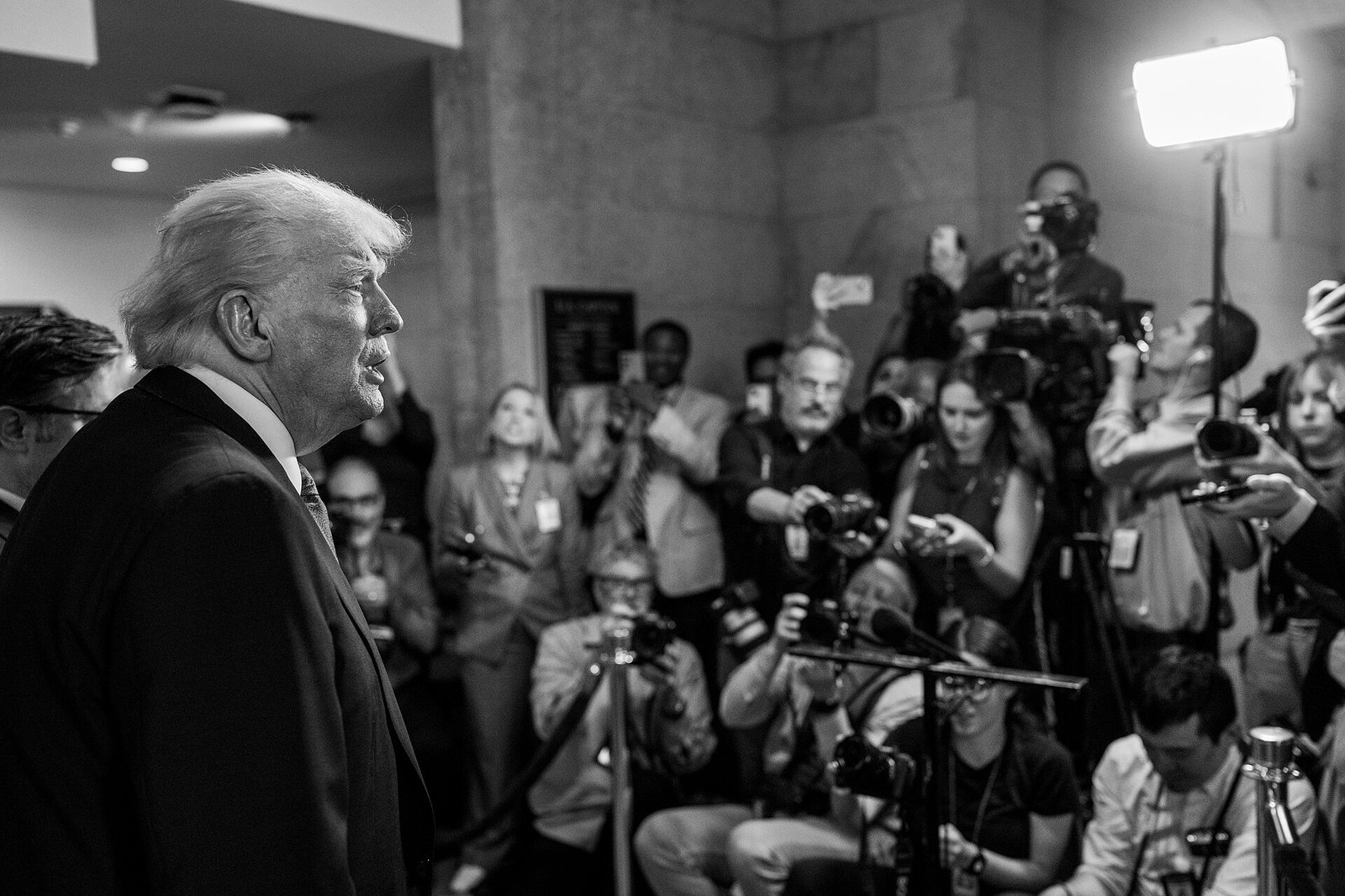
Featured image: U.S. President Donald Trump at the U.S. Capitol. Official White House Photo by Molly Riley via Wikimedia Commons (Public Domain).
